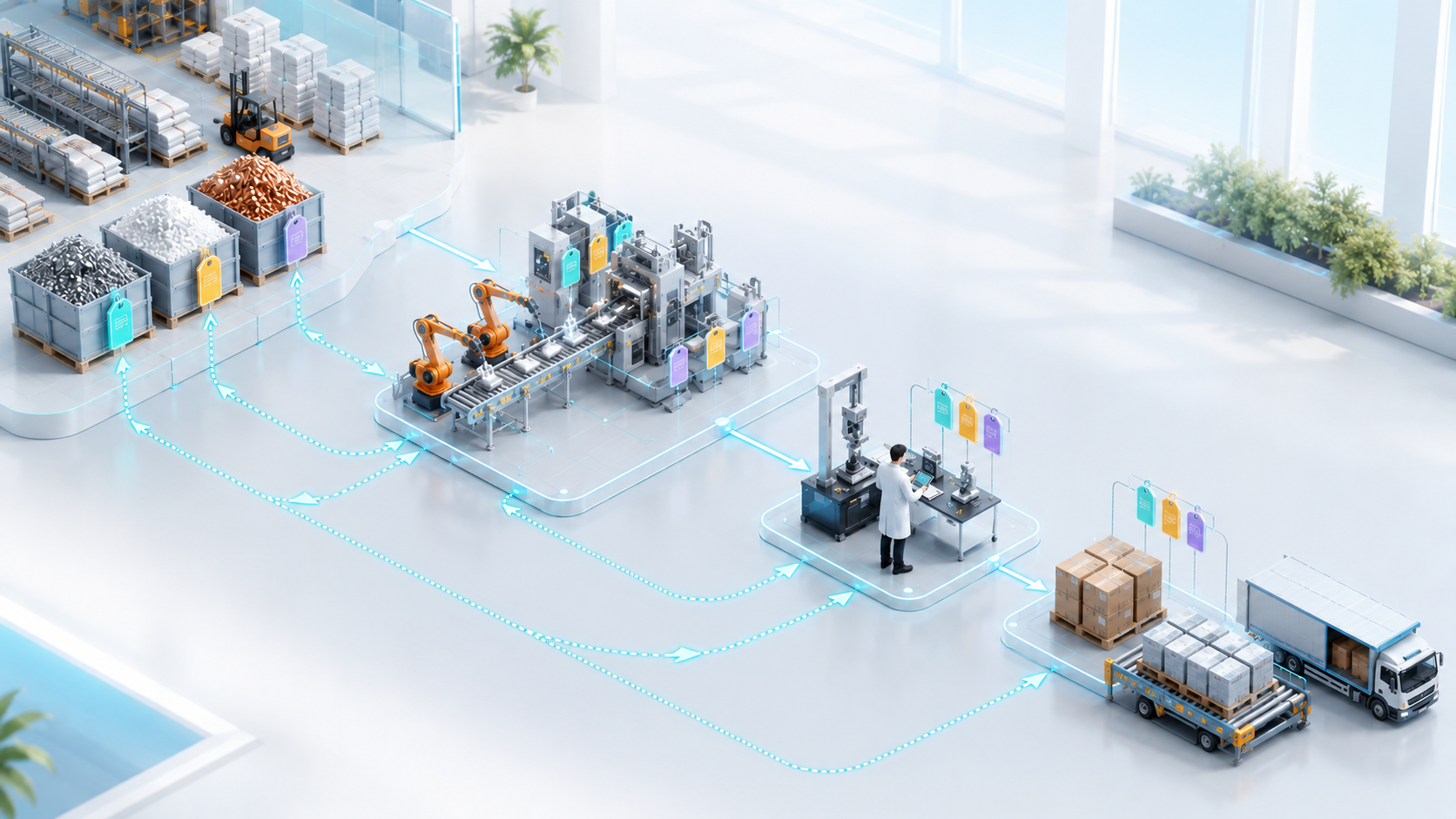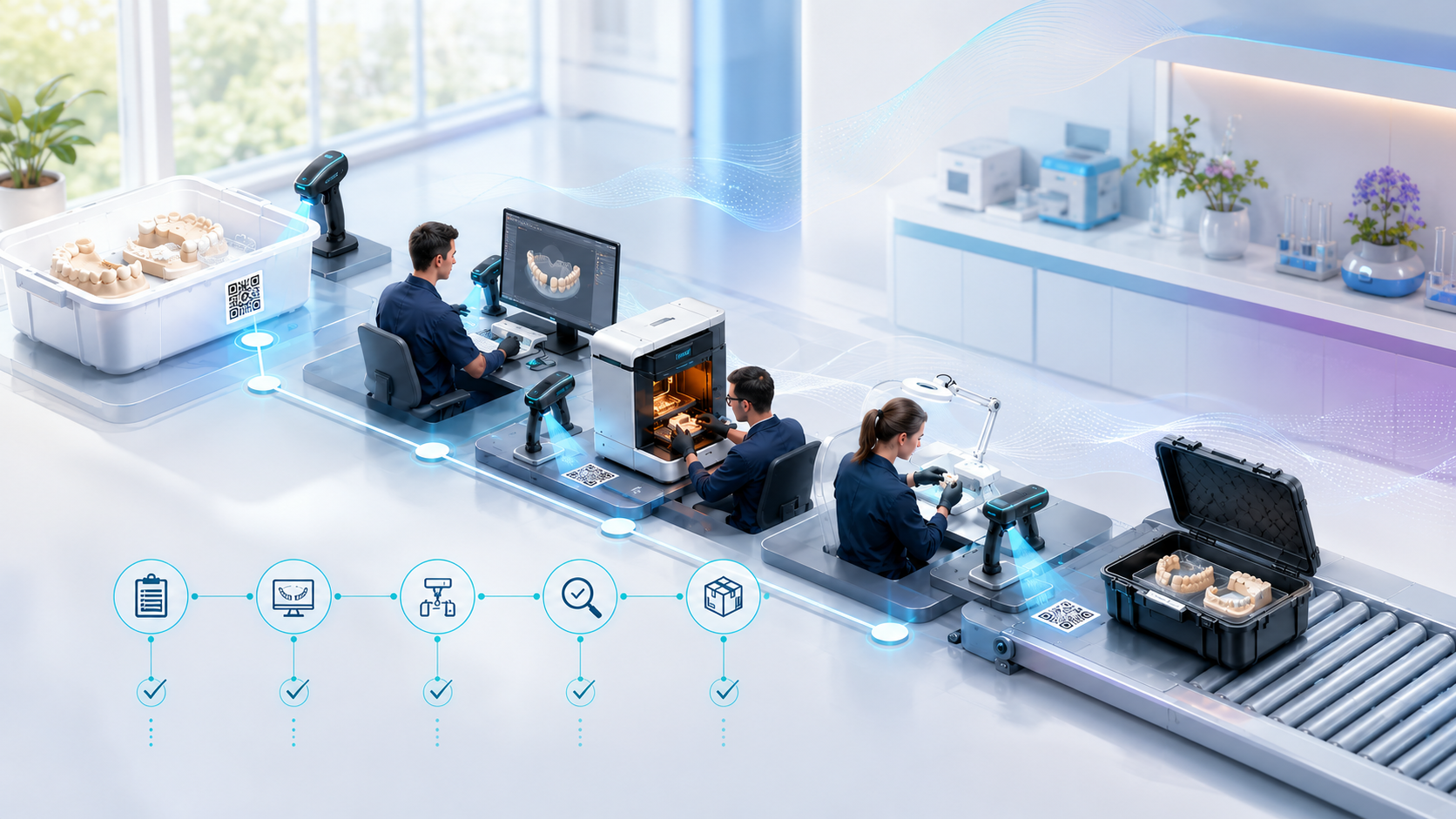
In integrated hazelnut plants, product intake, weighing, yield calculation, consignment, warehousing, lab testing, production, packaging, and finance are all interconnected processes. When these units run on separate spreadsheets or standalone programs, the same lot can end up with conflicting information across the business. An ERP tailored to the industry brings the physical movement of the product and its digital record together in the same chain.
Product intake and yield
The weight, sample, quality values, and pricing-relevant yield of incoming product from a supplier should all be captured in a single record. When approvals and change history are preserved, commercial disputes decrease and retrospective audits become easier.
Lot-based inventory and warehouse management
Knowing the total stock quantity alone isn't enough. Which supplier a product came from, which warehouse it's in, what quality values it has, and which production run it was used in all need to be tracked by lot. When transfers between warehouses, merges, splits, and waste movements are recorded, the gap between actual stock and system stock shrinks.
Lab, production, and quality working together
Lab results should feed directly into the production plan. When a recipe or production order is created by selecting lots with the right properties, the resulting output quality becomes more predictable. Once the finished-goods lot is linked to the raw-material lots used, both forward and backward traceability are established.
Finance and reporting
Linking grower transactions, purchases, sales, consignments, and account activity to operational data reduces repetitive data entry. Management can evaluate yield variances, inventory age, warehouse capacity, production efficiency, and lot profitability using up-to-date data.
Oksijen Yazılım's ERP approach for the hazelnut supply chain aims to bring together inventory, consignment, quality control, lab, production, recipes, finance, warehousing, orders, exchange reporting, and API components under a single modular structure. This lets a plant start from its current priorities and expand the system gradually.
Frequently Asked Questions
What processes does a hazelnut ERP system cover?
It can cover product intake, weighing, yield, consignment, lot-based inventory, warehousing, lab, quality, production, recipes, shipping, finance, and reporting.
Why is lot-based traceability important?
It lets you trace which raw-material batches a finished product was made from, and which products a given raw material batch ended up in, both backward and forward.