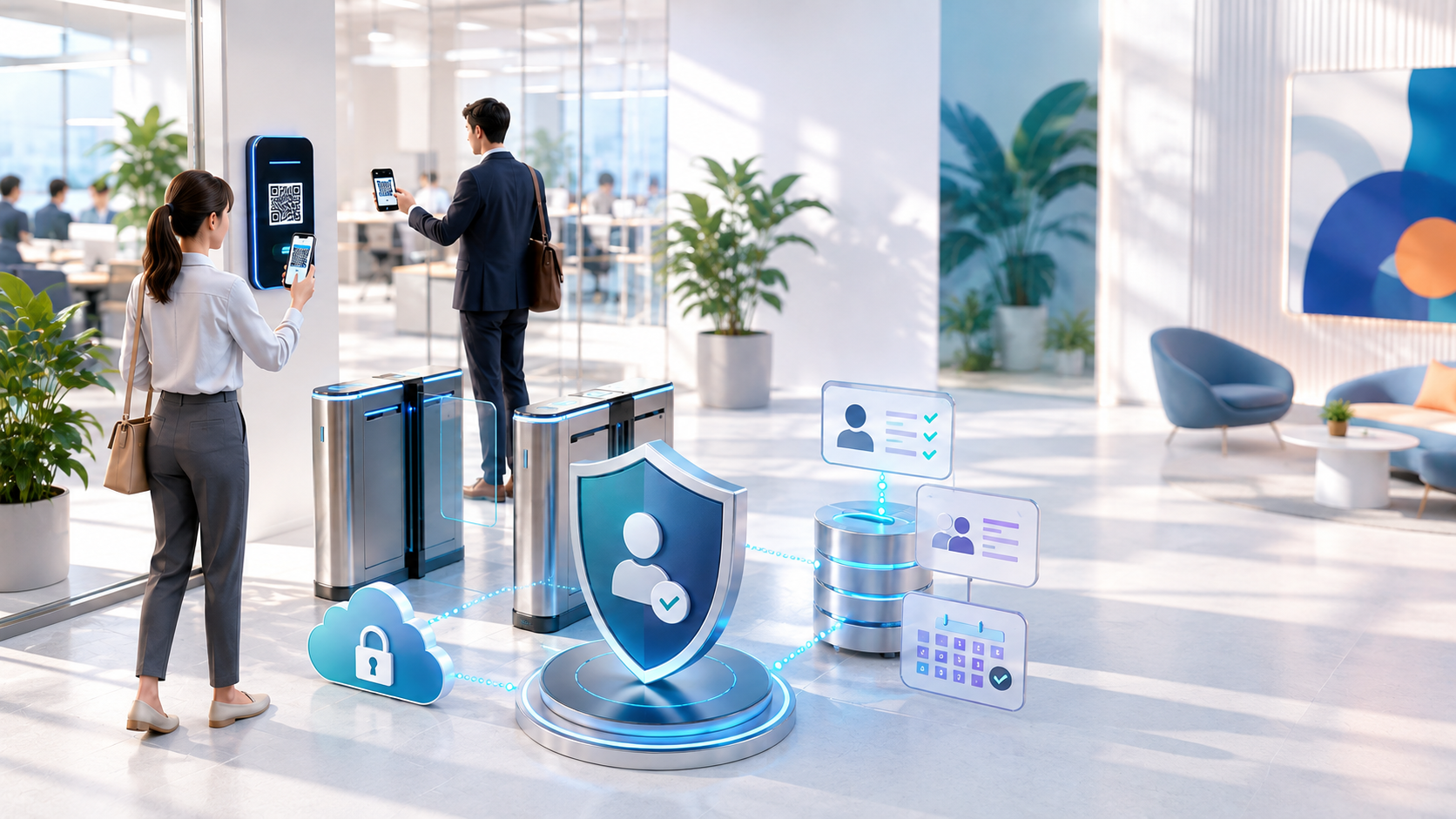
Dental laboratories manage many clinics, patients, products, and deadlines at the same time. Similar names or a busy production environment increase the risk of physical work and digital records getting mixed up. Barcode and QR labels give every Order a unique identity, reducing that risk.
From intake to production
When an Order is opened, the generated label is attached to the model, box, or work form. As the technician moves to a production stage, they scan the code and the system opens the Order's information without a manual search. This makes it possible to record, with an automatic timestamp, exactly what was done, when, and by whom.
More than speed: data accuracy
Scanning a code doesn't just save a few seconds. It prevents selecting the wrong record, makes skipped stages visible, and standardizes the production history. Special activity such as RPT, Fitting, quality control, or rework can all be linked to the same Order history.
Delivery security
Orders prepared by scanning a QR code at dispatch can be added to the delivery list. A second verification at handover to a courier or clinic creates a record confirming the package reached the right address. Who received it, when, and any notes can be reviewed retrospectively if needed.
Points to watch in practice
Label size, print quality, and durability in the production environment need to be chosen carefully. Sensitive patient information shouldn't be visibly encoded in the code — a random or hard-to-guess record key should be used instead. An authorized, logged fallback process should be defined for cases where scanning isn't possible.
Dental-focused solutions like Protez Takip and Lab to Dent bring QR and barcode activity together with Order, production stage, technician, and delivery data. The real gain isn't printing a label — it's turning every scan into a meaningful process record.
Frequently Asked Questions
Which is better, a barcode or a QR code?
It depends on the use case. QR can carry more data or a stronger identity; a classic barcode can be faster and cheaper with existing readers.
Should a patient's name appear on the QR code?
Unnecessary personal data shouldn't be visibly shown on the label; the code should ideally carry only a secure record key that's meaningful within the authorized system.