Low-code and no-code platforms make it easier to build forms, workflows, and simple applications using visual components. They can shorten the long software queue that department-level requests often get stuck in. That said, solving every organizational problem with the same tool can create technical and commercial dependency.
Where they excel
They offer real advantages for internal approval forms, simple record-keeping apps, notification flows, and quick prototypes. Ready-made connectors make it possible to bring common office services together quickly. A business unit can test an idea early without committing to major development costs before the process is fully defined.
Where the limits begin
Complex pricing, high transaction volume, offline mobile use, custom device connections, or fine-grained authorization can all run into platform limits. If the provider changes its licensing model, per-user or per-transaction costs can rise quickly. Whether the application can be moved elsewhere, and whether data can be exported in a standard format, should both be reviewed.
Security and governance
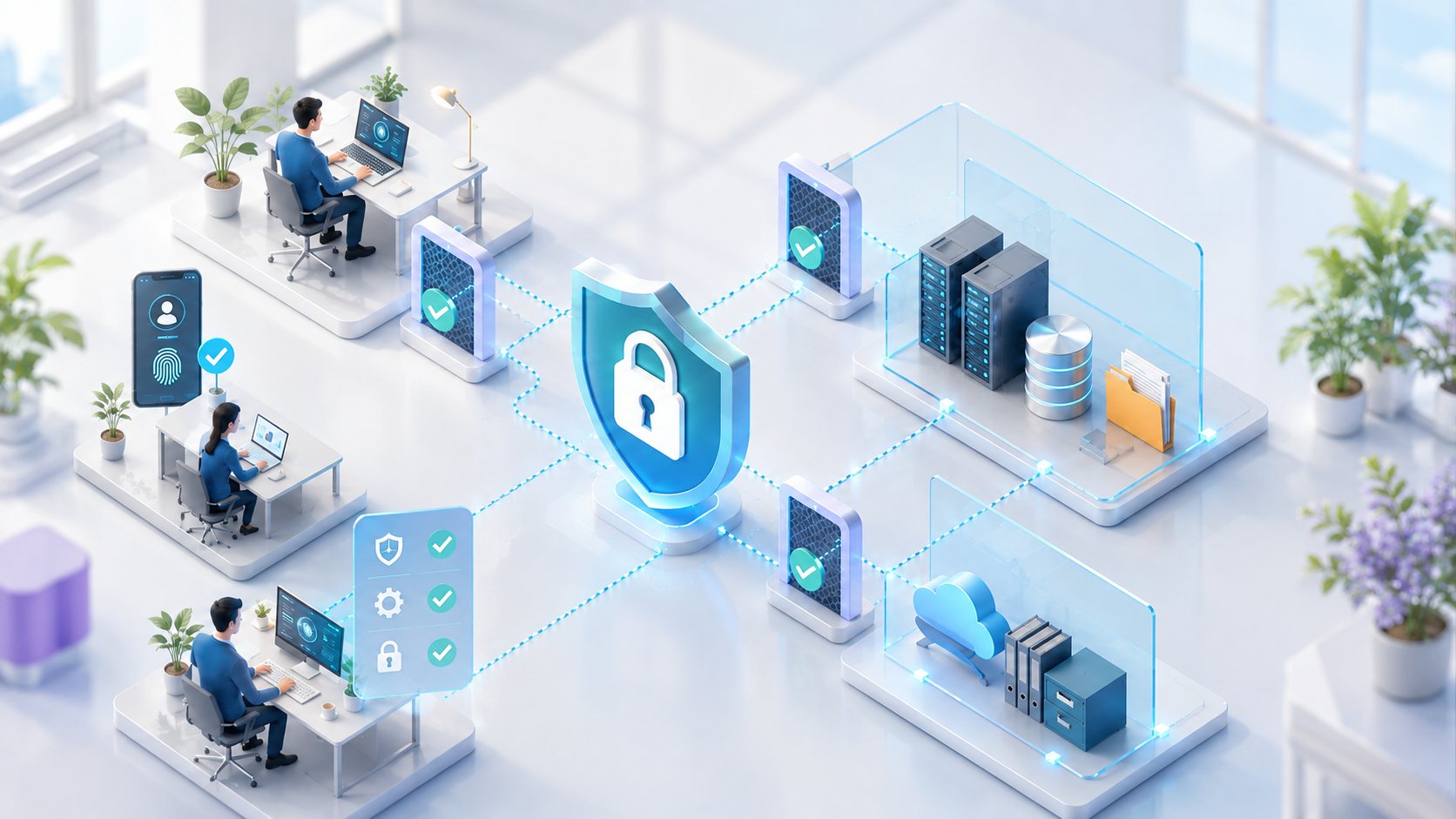
Letting departments build applications without oversight can turn into shadow IT. Who can build applications, which data sources they can connect to, how changes are tested, and who owns each application all need to be defined. Development, test, and production environments should be kept separate for critical processes.
A combined model
Low-code and custom software don't have to compete. The core ERP or industry-specific application can expose reliable APIs, while fast internal workflows are built on low-code. Critical business rules stay in the central system, with the platform serving as the user-interface and automation layer.
When deciding, it's worth weighing not just initial development speed, but three-year license cost, scale, data ownership, integration, and an exit plan. The right tool isn't the one that requires the least code — it's the one that meets the need at a sustainable, manageable cost.
Frequently Asked Questions
Can an ERP be built with no-code?
Simple processes can be modeled, but for heavy transaction volume, complex rules, advanced integration, and long-term scale, custom development or a hybrid approach may be more suitable.
Does using low-code remove the need for developers?
Usually not. Architecture, security, data modeling, integration, testing, and governance still require technical expertise.