Total stock figures are useful for daily planning, but fall short during a quality issue or recall. Raw materials with the same product code can come from different suppliers, dates, and quality results. Lot-based traceability preserves that distinction and records the life story of the material.
Forward and backward traceability
Backward tracing lets you reach the source of the raw materials used in a finished product. Forward tracing shows which production orders and customer shipments a given raw-material lot ended up in. Unless both directions work together, the scope of an affected batch can't be determined accurately.
Recording production activity
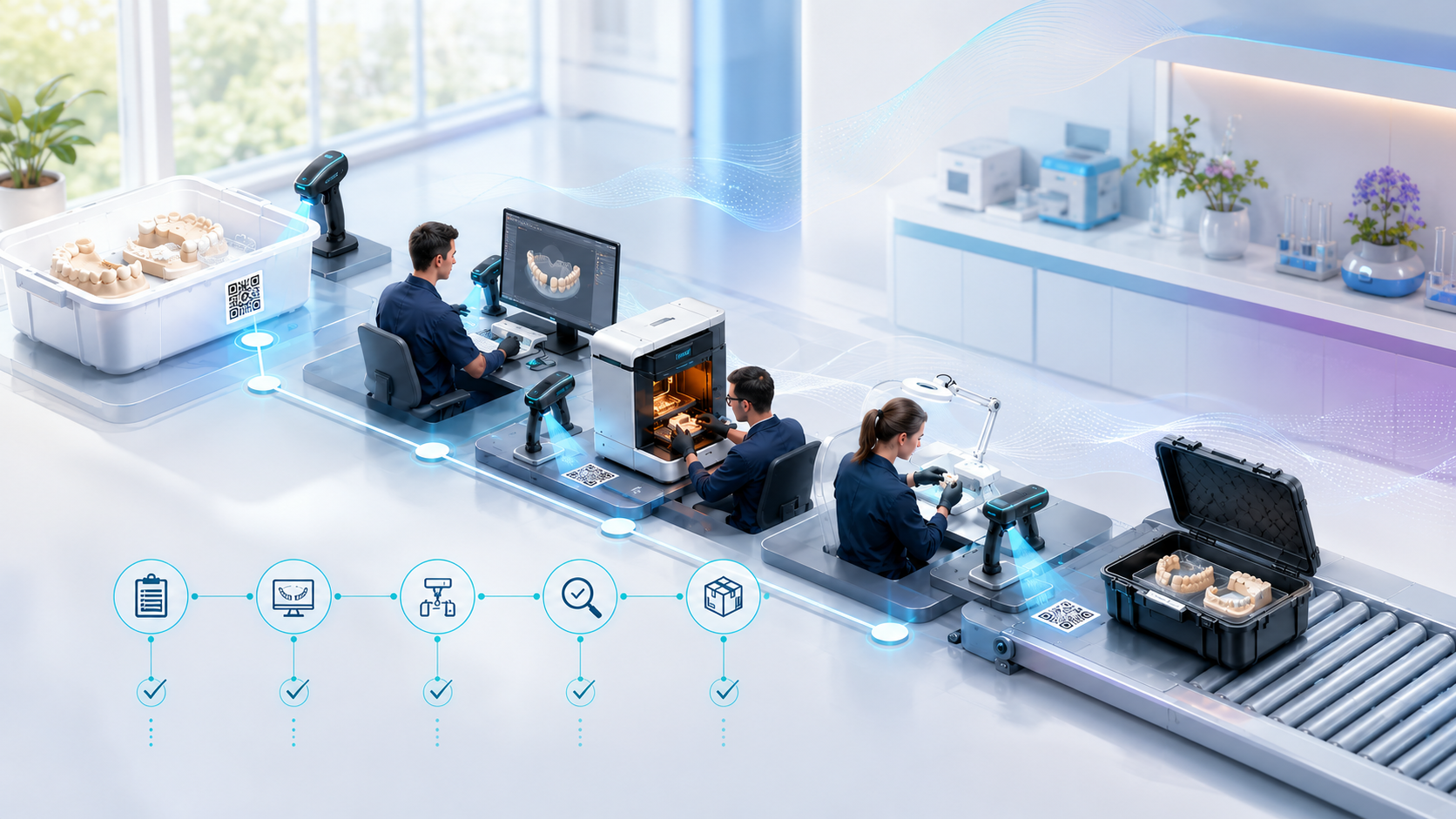
Lot splitting, merging, transfers between warehouses, consumption, waste, and conversion all need to be recorded under standard rules. When a new finished-goods lot is created, the input lots, quantities, production time, line or machine, and responsible person should all be linked. Later corrections shouldn't erase old data — the change history should be preserved.
Quality and cost management
When lab and quality results are linked to a lot, out-of-spec material can be prevented from being used in production. Comparing actual consumption, waste, and output by lot gives a more accurate cost calculation. Tracking stock age and shelf life lets you prioritize first-in or soon-to-expire batches.
Speed during a recall
When a quality issue arises, instead of halting all production, the affected lots and customers can be identified quickly. This limits both financial loss and reputational risk. Reliable reporting depends on recording activity at the moment it happens, not filling it in retroactively.
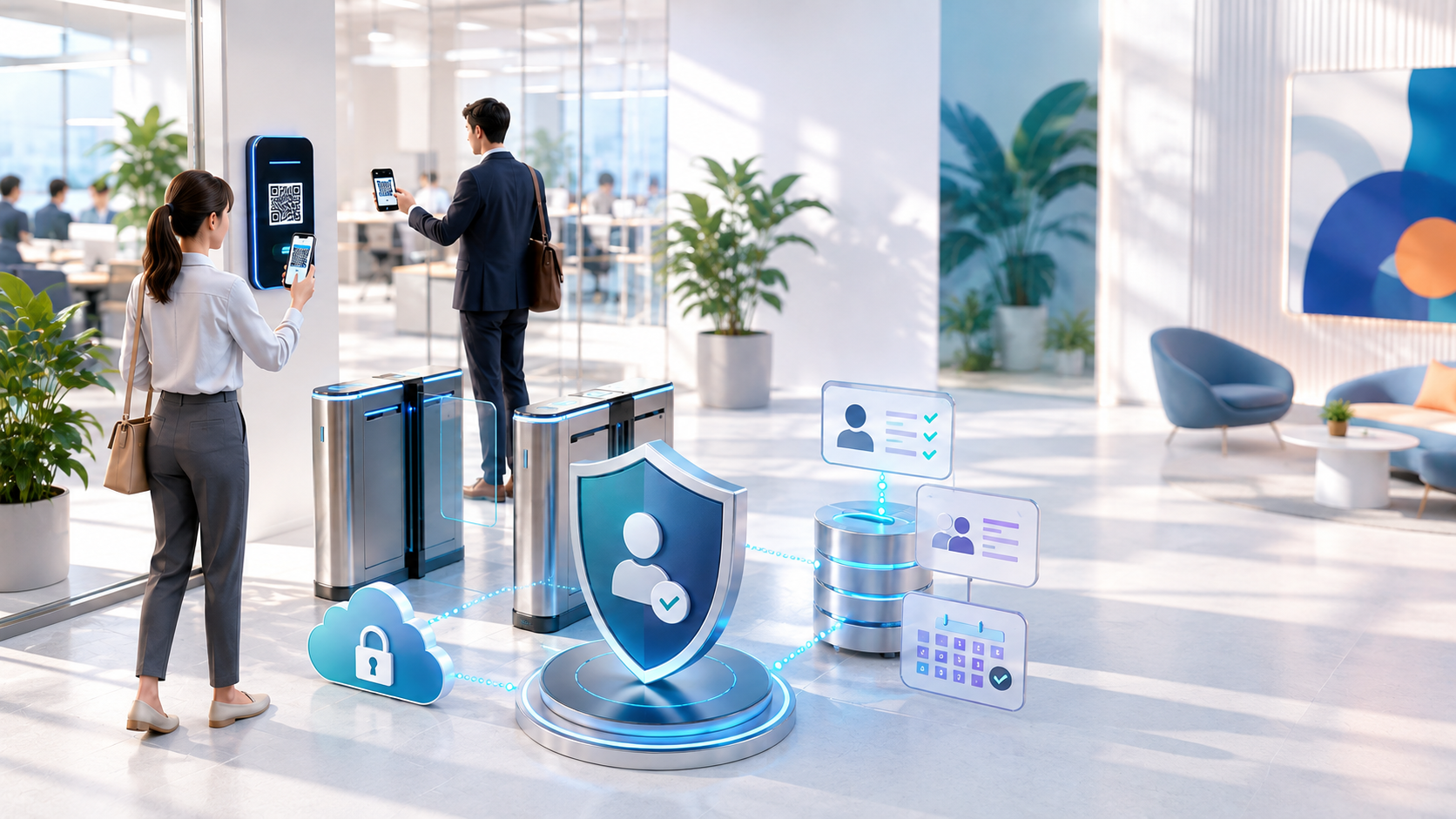
Lot traceability is a system where labeling, mobile scanning, warehouse discipline, authorization, and ERP business rules all work together. Technology makes the process easier; success comes from every movement on the floor being recorded accurately and on time.
Frequently Asked Questions
What's the difference between a lot and a serial number?
A lot identifies a group produced or received under the same conditions, while a serial number typically identifies a single unique item.
Is lot tracking only used in the food industry?
No. It's used across food, chemical, pharmaceutical, medical, automotive, and other manufacturing sectors for quality, cost, and recall purposes.