At SMEs, sales, collections, payments, inventory, and bank transactions are often tracked across different ledgers or spreadsheets. As transaction volume grows, getting an up-to-date balance becomes harder, and overdue receivables or cash needs get noticed too late. Cloud-based bookkeeping software brings these day-to-day transactions into a centralized, accessible system.
Up-to-date information from anywhere
Authorized users can check account balances, cash position, upcoming due dates, and sales reports even when they're not in the office. Having branch or field teams work from the same database prevents file copies from multiplying.
Order in day-to-day operations
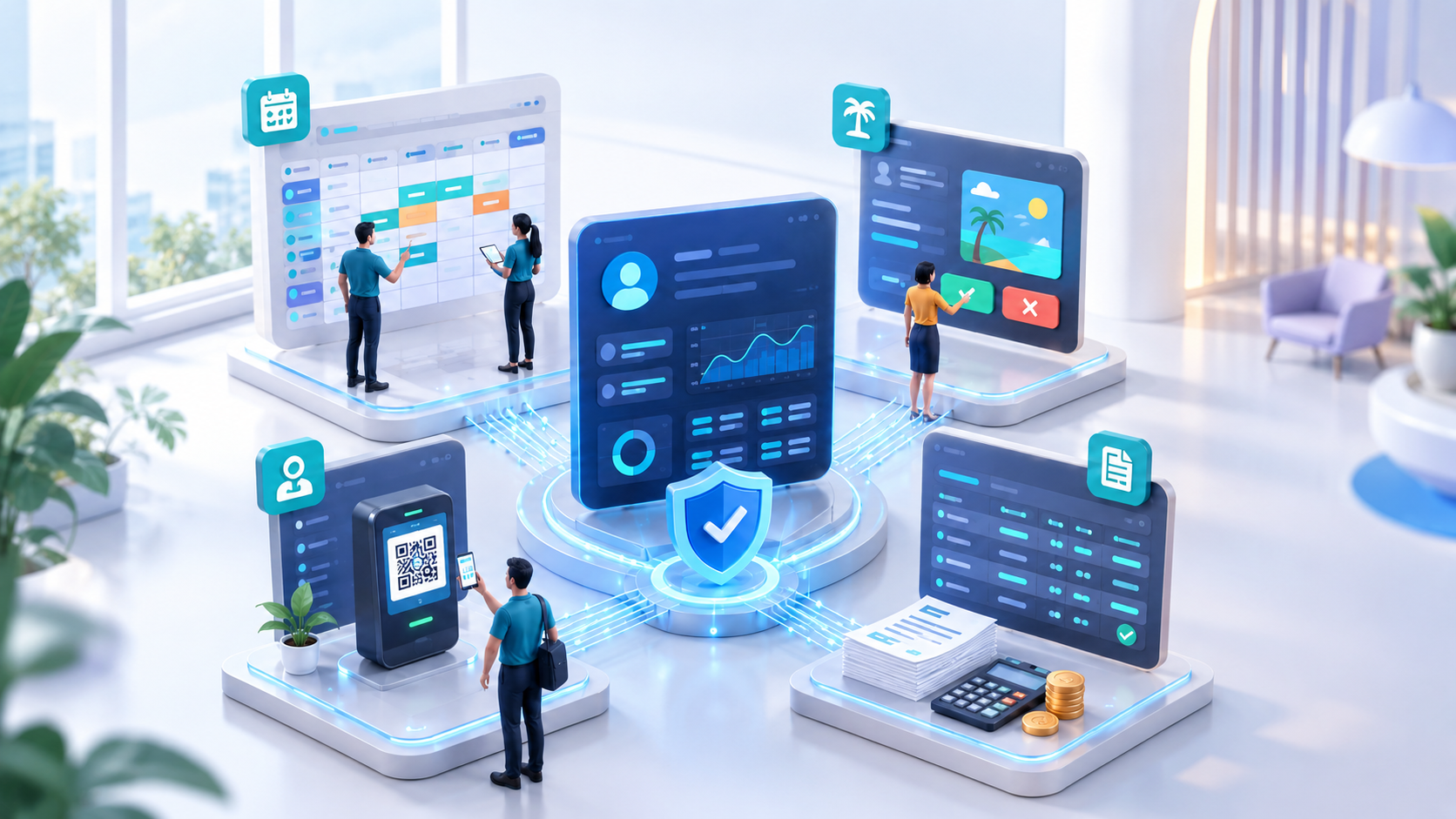
Linking sales and purchase records, income and expenses, banking, cash, checks/notes, inventory, and account activity reduces the need for double entry. When a collection is recorded, the account balance and cash movement can update together. Critical stock levels flag upcoming needs early.
Security when using the cloud
Cloud doesn't mean data sits uncontrolled on the internet. The provider's approach to encryption, backups, access logs, data centers, authorization, and business continuity should be reviewed. Within the business, users should also be given permissions based on their role, shared accounts should be avoided, and strong authentication should be used.
Getting the division of labor right with your accountant
Bookkeeping software doesn't replace a financial advisor. It organizes the business's day-to-day commercial records and helps produce cleaner data for official accounting. Catching missing documents or inconsistent records before period-end makes work easier for both sides.
When choosing a solution, it's worth evaluating not just today's transaction volume, but e-invoicing, virtual POS, cash-register POS, mobile use, QR/barcode-based inventory, and future branch needs. That way, a small business can keep its financial discipline as it grows, without having to switch systems again.
Frequently Asked Questions
Is cloud bookkeeping the same as official accounting?
No. Bookkeeping software manages day-to-day commercial transactions; official ledgers and tax filings are handled by a licensed financial advisor.
Is cloud accounting safe for small businesses?
A provider that implements the right technical and organizational measures, along with role-based access and regular backups, can offer secure use.