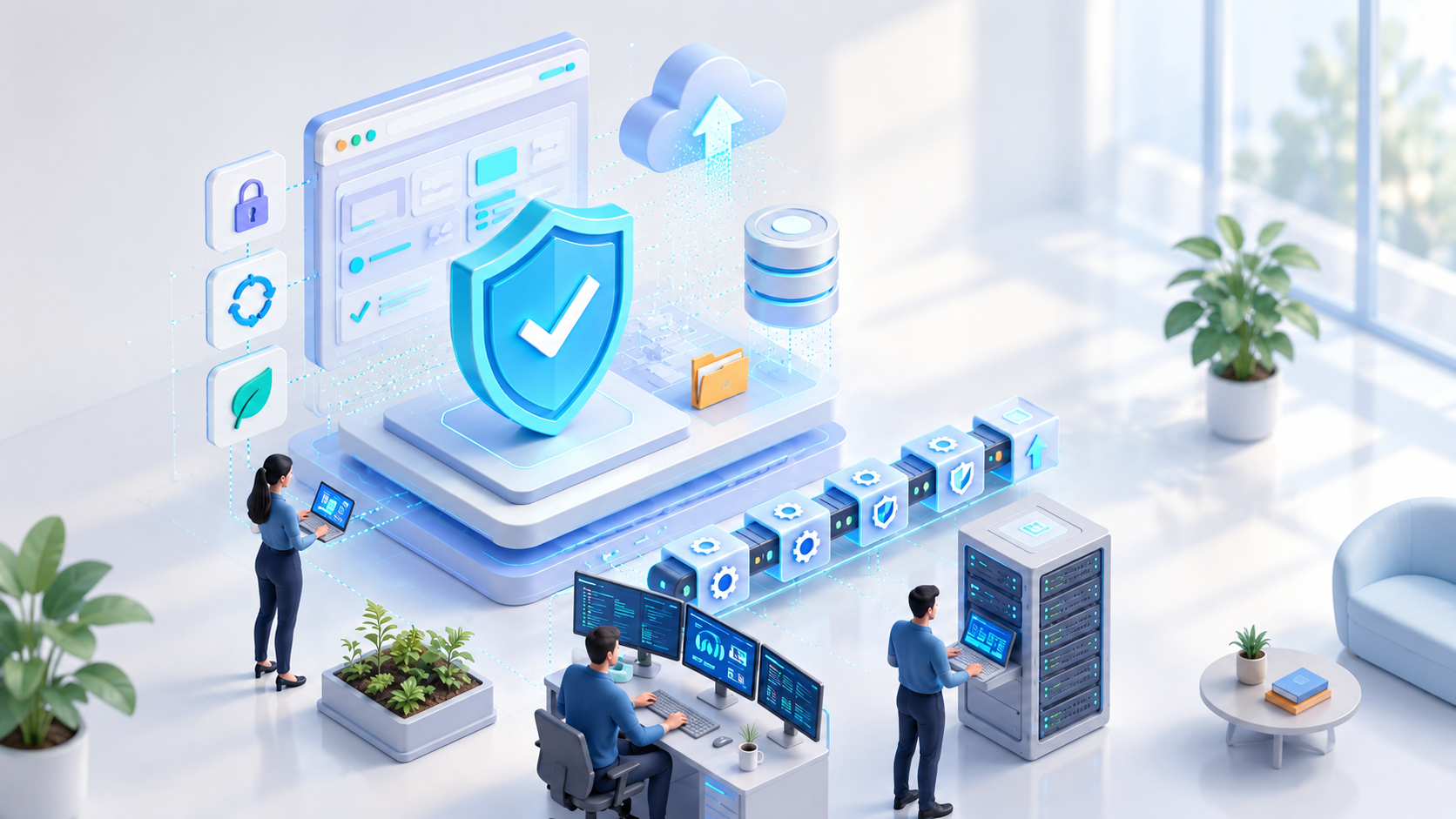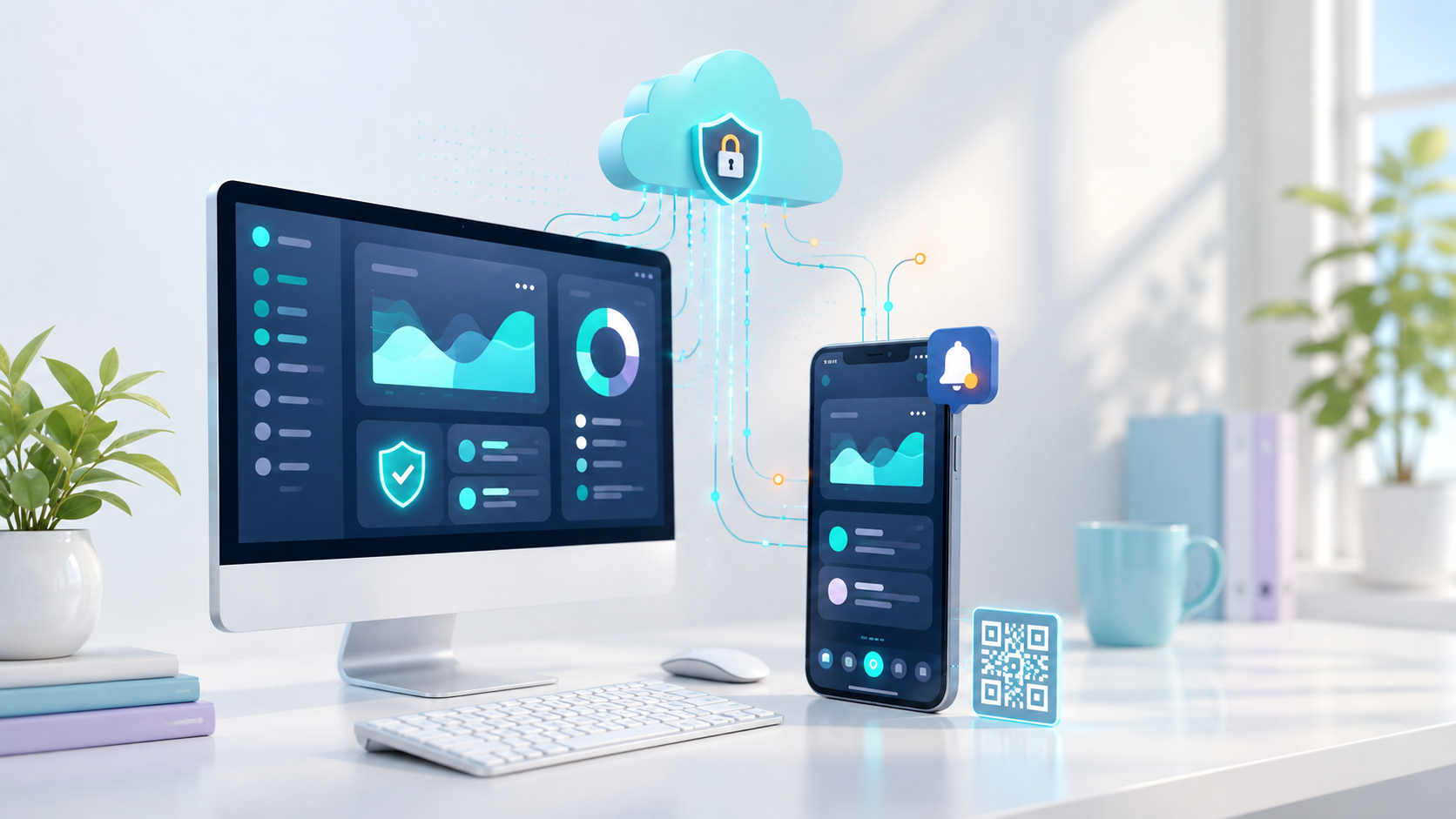
Businesses that use separate systems for sales, inventory, payments, e-invoicing, shipping, and production commonly end up entering the same information repeatedly. This doesn't just waste time — it creates inconsistencies in customer names, amounts, product codes, and statuses. Software integration establishes controlled, traceable data exchange between different applications.
What does integration deliver?
When an order is confirmed, inventory can be reserved, a draft e-invoice can be generated, and the relevant team can be notified automatically. When payment is received, the customer account can update on its own. Employees stop being the ones carrying data between systems and start managing exceptions and controlling the process instead.
An API alone isn't enough
An API is the gateway that lets systems communicate, but solid integration also requires data mapping, authentication, error handling, retries, and logging. If a service is temporarily unavailable, data shouldn't be lost — the transaction should be queued and the responsible person should get a clear alert.
Key design decisions
- Which system is the source of truth for which data needs to be defined.
- Product, customer, and document codes need to be mapped using shared rules.
- Re-running the same operation shouldn't create duplicate records.
- Integration activity should be tracked with history and error detail.
- Personal data should only be transferred within the necessary scope.
Move step by step
Rather than connecting every system at once, it's safer to start with the data flow that creates the most repetition. Once the pilot integration is validated, new scenarios can be added. This approach reduces technical risk and lets the business realize benefits early.
Good integration might not create a new screen you can see — but behind the scenes, it noticeably changes the speed of work and the quality of data. An organization's digital backbone is strengthened less by the number of applications it runs and more by the reliable connections between them.
Frequently Asked Questions
Is an API the same thing as integration?
An API is one of the core tools used for integration. Full integration also covers data mapping, security, error handling, monitoring, and business rules.
Can legacy software be integrated?
Even without an API, options such as direct database access, secure file transfer, or middleware can be evaluated; feasibility is determined through technical analysis.